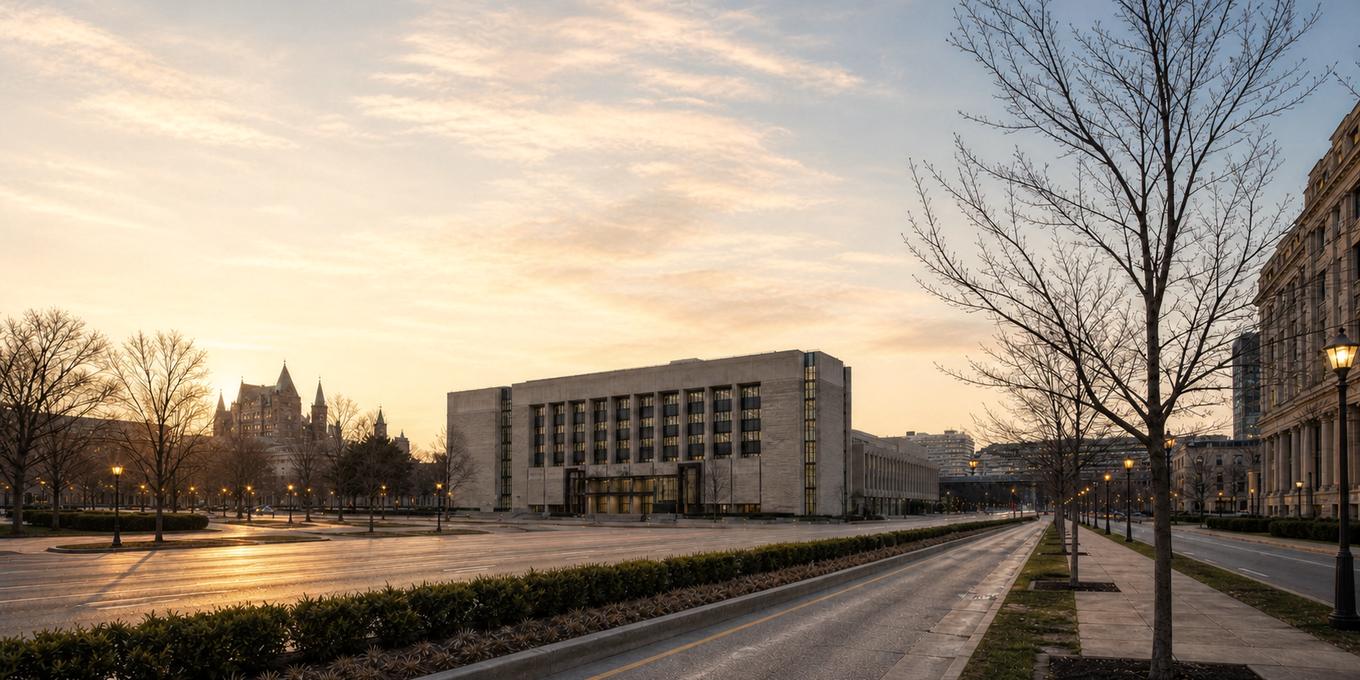
361 University Avenue: the Superior Court of Justice
Where the serious matters end up: jury trials, homicide prosecutions, and indictable charges that proceed to the Superior Court.
What is heard here
The Superior Court of Justice sits at 361 University Avenue. Most criminal matters start in the Ontario Court of Justice at 10 Armoury Street, and the more serious ones move here. Homicide prosecutions are heard here. So is any trial before a judge and jury.
For most indictable offences the accused elects the mode of trial: a judge of the Ontario Court, a judge alone in the Superior Court, or a judge and jury in the Superior Court. That election is a real strategic decision rather than a formality, and it turns on the nature of the evidence and who is more likely to be persuaded by it.
The Superior Court is also where a detention order made at a bail hearing is reviewed, and where most pre-trial Charter applications in serious matters are argued. An application to exclude evidence under section 24(2) of the Charter is very often the whole case, and it is usually argued before the trial proper begins.
Proceedings here run longer. A contested indictable matter with a Charter application generally takes a year or more from charge to trial, and a homicide 2 years or more. Our guide to how a case works sets out each stage and what it decides.
- Court
Superior Court of Justice
- Address
361 University Avenue, Toronto, ON
Before you go
Small things that make a difficult morning less difficult.
Getting there
St Patrick station on Line 1 is closest. University Avenue parking is metered and enforced strictly; the surrounding lots fill early on trial days.
Dress and conduct
It is a formal courtroom. Turn your phone off rather than to silent, stand when the judge enters, and do not bring food or drink in.
Trials sit for days, not hours
If your matter is set for trial, expect to be there for the whole listed period, and arrange work and childcare on that basis.
Bring the disclosure
If you have been given disclosure, bring it. Being able to put your hand on a document while counsel is on their feet is worth more than it sounds.
Questions about this courthouse
What is the difference between the two Toronto courthouses?
10 Armoury Street is the Ontario Court of Justice, where most criminal matters start and many finish. 361 University Avenue is the Superior Court of Justice, which hears jury trials, homicide, and indictable matters that are elected or sent there.
Do I get to choose a jury?
For most indictable offences, yes. You elect trial by an Ontario Court judge, a Superior Court judge alone, or a judge and jury. For a small number of the most serious offences the Superior Court has exclusive jurisdiction.
Is a Charter application heard at trial?
Usually it is argued before the trial proper, because if the evidence is excluded there may be no case left to try.
Court information here is drawn from the Superior Court of Justice. Addresses and sitting arrangements change, so check before you travel. Duty counsel at the courthouse are free, whatever you earn: see Legal Aid Ontario.
Written and reviewed by Rita Levin, criminal defence lawyer, called to the Ontario bar on May 29, 1998. Law Society of Ontario licence no. 41157R. Last reviewed .
Call before the date, not after it.
The first conversation costs nothing and tells you what the next 2 weeks have to look like.
We are a private practice and our fees reflect the work involved. A serious matter is prepared over months, and we keep our numbers low so each file gets the hours it needs. We will tell you what your case is likely to cost on the first call, before you commit to anything. And if the honest answer is that duty counsel, Legal Aid or another firm would serve you better, we will tell you that instead.